

Auction-ready luxury items are high-value goods defined by rarity, provenance, and condition that consistently attract competitive bids. The global market proved this in 2025, when luxury auctions generated $795 million in sales, led by jewelry, handbags, watches, and wine. The best examples of auction-ready luxury items share three traits: they come from recognized brands, they carry documented history, and they arrive in a condition that buyers can verify. Knowing which categories perform best, and why, gives sellers a real advantage before they ever list a single item.
1. Examples of auction-ready luxury items: designer handbags
Designer handbags are the single most recognizable category of high-end auction items. Collectors and luxury asset buyers treat them as both status objects and financial assets, which keeps demand strong year after year.
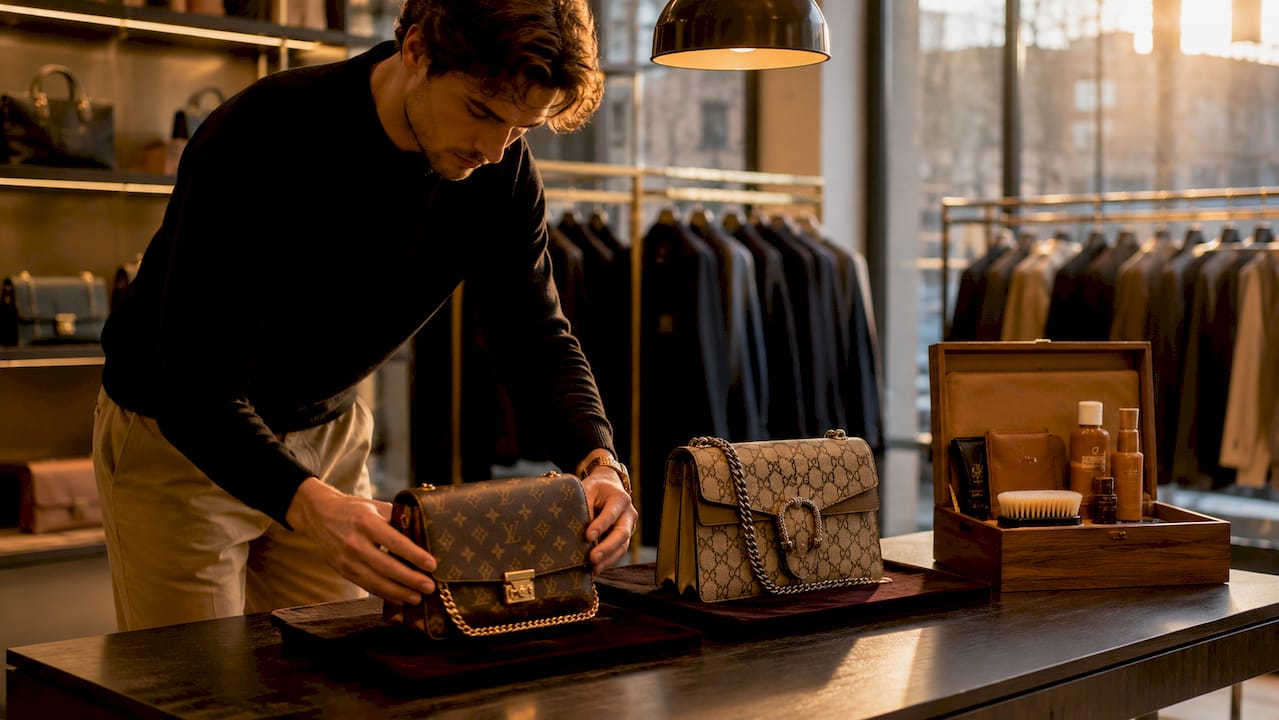
The names that dominate auction results are consistent: Hermès, Chanel, and Louis Vuitton. Hermès Birkin bags have reached auction prices above $10 million, a figure that reflects extreme scarcity and collector obsession. Chanel Classic Flap bags in discontinued colorways and Louis Vuitton historic trunks with original hardware also draw serious bids. These are not everyday resale items. They are collectibles with a paper trail.
What makes a handbag auction-ready comes down to four factors:
- Provenance: Original receipts, dust bags, and box sets confirm authenticity and ownership history.
- Condition: Hardware should be scratch-free, stitching intact, and leather free of deep creasing or staining.
- Authentication: Third-party authentication from a recognized service strengthens buyer confidence and often raises the final bid.
- Rarity: Limited production runs, discontinued colorways, and special-order materials push prices above standard retail.
Pro Tip: Focus on bags produced during a brand’s most historically significant design periods. A Chanel bag from Karl Lagerfeld’s early tenure, for example, carries more narrative weight than a recent production piece, and narrative weight translates directly into higher bids.
2. Fine watches and what makes them auction-ready
Fine watches are among the most liquid luxury collectibles in the world. Mechanical movements from Rolex, Patek Philippe, and Audemars Piguet hold value in ways that quartz watches simply do not. Collectors pay for engineering history, not just aesthetics.
Watches like the Rolex Submariner and Patek Philippe Nautilus have resale retention ranging from 70%–120% of their original retail price, sometimes exceeding what buyers paid new. That retention rate is driven by documented provenance and original mechanical integrity. A watch with its original papers, box, and service records commands a meaningfully higher price than the same model without them.
Sellers preparing a watch for auction should gather:
- Original box and papers: These confirm the watch’s reference number, production year, and retail origin.
- Service history: Records showing authorized service work prove the movement has been maintained correctly.
- Condition of the dial and case: Unpolished cases and original dials are worth more to collectors than refinished ones.
- Caliber details: The specific movement inside the watch, especially if it is a limited or discontinued caliber, adds collectible value.
One detail many sellers overlook: a polished case actually reduces auction value. Collectors prefer the original brushed or satin finish because it proves the watch has not been altered. Leaving a watch in its natural, unpolished state is the right call before consignment.
3. Luxury jewelry commonly found at auction
Luxury jewelry is the top-performing category by total sales volume at major auction houses. Christie’s luxury sales increased 17% in 2025, with jewelry leading that growth. The category spans diamond solitaires, signed pieces from Cartier and Tiffany & Co., and estate jewelry with documented provenance.
Buyers at this level assess more than visual appeal. Luxury jewelry buyers evaluate technical factors including alloy quality, setting robustness, and whether the piece can be serviced or reset without damage. A ring with a fragile prong setting or a compromised alloy loses appeal even if the stone is exceptional.
Key factors that determine auction readiness for jewelry:
- Signed pieces: A Cartier or Tiffany hallmark adds a premium that unsigned pieces cannot match.
- Stone quality: Certified diamonds with GIA or AGS grading reports give buyers objective data to bid against.
- Metal integrity: Platinum and 18-karat gold hold up better over time than lower-karat alloys, which matters to buyers thinking about longevity.
- Condition: Minor wear is acceptable, but bent settings, missing stones, or deep scratches reduce value significantly.
Pro Tip: Get a current independent appraisal before consigning jewelry. Auction houses use their own estimates, but an independent appraisal gives you a credible baseline and helps you set a realistic reserve price.
A rare diamond sold for $14 million against a pre-sale estimate of $5–7 million in 2026, proving that exceptional stones with strong provenance can far exceed expectations. That kind of result is not random. It comes from documentation, condition, and the right platform.
4. Other high-demand luxury collectible categories
The categories of high-demand luxury collectibles extend well beyond handbags, watches, and jewelry. Luxury accessories and collectibles, including couture apparel, vintage trunks, limited-edition pens, and fine art with provenance, are increasingly sought after in auction markets. Collectors appreciate category diversity, and sellers benefit from understanding where their items fit.
| Category | What makes it auction-ready | Typical price range |
|---|---|---|
| Couture apparel | Designer label, documented provenance, unworn or museum-quality condition | $500–$50,000+ |
| Vintage trunks | Brand markings, original hardware, documented ownership | $1,000–$100,000+ |
| Limited-edition pens | Brand (Montblanc, S.T. Dupont), limited run number, original case | $300–$10,000+ |
| Fine art | Artist attribution, exhibition history, condition report | $1,000–$1,000,000+ |
| Luxury sunglasses | Limited edition, original case and papers, unworn condition | $200–$5,000+ |
Couture apparel from houses like Chanel, Balenciaga, or Yves Saint Laurent in archival condition draws serious collector interest. The piece must have a label, ideally with a couture number, and documentation of its original sale or exhibition. Vintage Louis Vuitton trunks with original brass hardware and intact interior trays are another strong performer. Their value comes from brand heritage and the fact that they are genuinely difficult to find in good condition.
Limited-edition pens from Montblanc or S.T. Dupont attract a specific collector base that values craftsmanship and scarcity. These items are easy to store, easy to ship, and often undervalued by families who find them in estate collections. That gap between perceived and actual value makes them worth investigating before a sale.
5. Signs that household luxury items qualify for auction
Many families own auction-ready luxury goods without realizing it. The signs that a household item qualifies for a luxury auction are specific and identifiable.
The clearest indicators are:
- Recognized brand: Items from Hermès, Rolex, Cartier, Patek Philippe, Louis Vuitton, Chanel, Tiffany & Co., Montblanc, or comparable houses carry built-in buyer demand.
- Documentation: Original receipts, certificates of authenticity, appraisals, or service records confirm the item’s history and legitimacy.
- Rarity: Limited production numbers, discontinued models, or special-order specifications separate collectible items from standard retail goods.
- Condition: Items in excellent or near-original condition attract more bidders and higher bids. Minor wear is acceptable; structural damage is not.
- Provenance: A documented ownership history, especially one connected to a notable person or event, adds measurable value.
Common pitfalls that reduce auction appeal include missing documentation, amateur repairs, and improper storage that causes leather cracking or metal tarnishing. Sellers who clean or polish items before consignment sometimes do more harm than good. A professional conservator’s assessment is worth the cost before any cleaning takes place.
Consigning luxury items follows a standard process: initial appraisal, condition assessment, authentication if required, photography, and listing. Understanding each step helps sellers set realistic expectations and avoid surprises at settlement.
Pro Tip: Gather every piece of documentation you can find before your first appraisal appointment. Even a credit card statement showing the original purchase date adds credibility and can influence the reserve price in your favor.
Key takeaways
Auction-ready luxury items succeed when rarity, provenance, and condition combine with the right platform and documentation to attract serious buyers.
| Point | Details |
|---|---|
| Provenance drives price | Documentation like receipts, certificates, and service records consistently raises final bids. |
| Category matters | Handbags, watches, and jewelry lead auction sales, but couture and vintage collectibles are growing fast. |
| Condition has limits | Minor wear is acceptable; polishing or amateur repairs often reduce value rather than increase it. |
| Authentication is non-negotiable | Third-party verification builds buyer confidence and protects sellers from disputes. |
| Rarity is the multiplier | Limited editions, discontinued models, and special-order pieces outperform standard retail items at auction. |
What I’ve learned about selling luxury items at auction
The most common mistake I see sellers make is focusing entirely on condition while ignoring story. A Birkin bag in perfect condition with no documentation will sell. The same bag with its original receipt, a photograph of the original owner, and a letter of provenance will sell for significantly more. Buyers at auction are not just purchasing an object. They are purchasing a narrative.
Auction buyers increasingly value storytelling and brand heritage alongside item condition, and that shift has real financial consequences for sellers who do not adapt. Families going through estate liquidations often have extraordinary items sitting in closets or storage, but they undervalue them because they are thinking about retail resale rather than collector demand.
My advice is to treat documentation as part of the item itself. Before you consign anything, spend time gathering every piece of paper connected to it. Then think about what makes this specific piece different from the thousands of similar items on the market. That difference, whether it is a limited production number, a notable previous owner, or a historically significant design period, is what auction buyers will pay a premium for.
The consignment process is more straightforward than most families expect. The harder work is preparation, and that preparation pays off in the final hammer price.
— Admin
Insta-auction’s platform for luxury sellers
Sellers who know what they have deserve a platform that knows how to present it. Insta-auction specializes in pre-loved luxury goods and collectibles, with trained experts who appraise and market items across digital channels to reach serious buyers.
The luxury goods auction section covers designer handbags, fine watches, jewelry, couture, and collectibles, with expert guidance at every step from appraisal through settlement. Insta-auction also donates a portion of every sale to selected charities, so sellers contribute to something beyond their own return. For families navigating an estate or simply ready to sell, the platform offers a clear, supported path from item in hand to competitive bid. Visit Insta-auction to see current listings and start a consignment inquiry.
FAQ
What qualifies a luxury item as auction-ready?
An item qualifies when it combines a recognized brand, documented provenance, and verifiable condition. Rarity and original documentation consistently produce the strongest auction results.
Which luxury categories perform best at auction?
Jewelry, handbags, and watches lead auction sales by volume and value. Luxury auctions generated $795 million in 2025, with these three categories driving the majority of results.
Do I need original paperwork to sell at auction?
Original paperwork is not always required, but it significantly increases buyer confidence and final sale price. Authentication certificates, receipts, and service records are the most valuable documents to include.
How do I know if my household items qualify for a luxury auction?
Look for items from recognized luxury brands in good condition with any available documentation. A professional appraisal through a platform like Insta-auction will confirm whether the item meets auction-ready criteria.
What is the biggest mistake sellers make before consigning luxury goods?
Cleaning or polishing items without professional guidance is the most common error. Unpolished cases and original finishes are worth more to collectors than refinished pieces, and amateur cleaning can permanently reduce value.