

Specialist auction categories are defined as focused sale events organized around a single item type, such as jewelry, vintage automobiles, or rare wine, where every bidder arrives with the same specific intent to buy. The role of specialist auction categories sellers play in these markets is not passive. Sellers who place luxury collectibles in the correct specialist category consistently attract more qualified bidders, generate stronger competition, and close at higher prices than sellers who list in general auctions. Market segmentation in auctions creates what economists call “market thickness,” a condition where enough category-specific buyers compete simultaneously to push final prices upward. Understanding how this mechanism works is the first step toward getting full value from any luxury item you sell.
What is the role of specialist auction categories sellers?
Specialist auction categories work by concentrating demand. When a seller places a 1960s Patek Philippe watch in a dedicated horology sale rather than a general estate auction, every bidder in the room already values that category. That shared focus removes friction and increases competition.
The practical effect is measurable. Listings with more detailed photos attract more bidders, and more bidders directly produce higher closing prices. Specialist categories amplify this effect because the bidders who enter are already motivated, not browsing casually.
Authentication and vetting sit at the center of this process. Buyers in specialist sales expect verified provenance and condition reports. When a seller provides both, buyer confidence rises and reserve prices become easier to meet. Sellers in auction markets who skip this step often see items pass without bids, even when the underlying value is strong.
- Targeted buyer pools: Specialist categories draw collectors who follow that market closely and arrive ready to bid at fair market value.
- Precise marketing: Category-specific promotions reach the right audience through collector publications, email lists, and social media communities dedicated to that niche.
- Higher bidder participation: A focused sale generates more registered bidders per lot than a mixed general auction.
- Authentication as a trust signal: Verified items attract serious buyers and reduce the risk of post-sale disputes.
Pro Tip: Before consigning, request a category-specific appraisal rather than a general valuation. A specialist who focuses exclusively on your item type will identify provenance details and condition factors that a generalist may miss, and those details directly affect your reserve price.
Key auction categories for luxury collectibles and their seller advantages
Each specialist category carries its own buyer psychology, pricing dynamics, and seller requirements. Knowing which category fits your item is as important as knowing its value.
Jewelry and watches
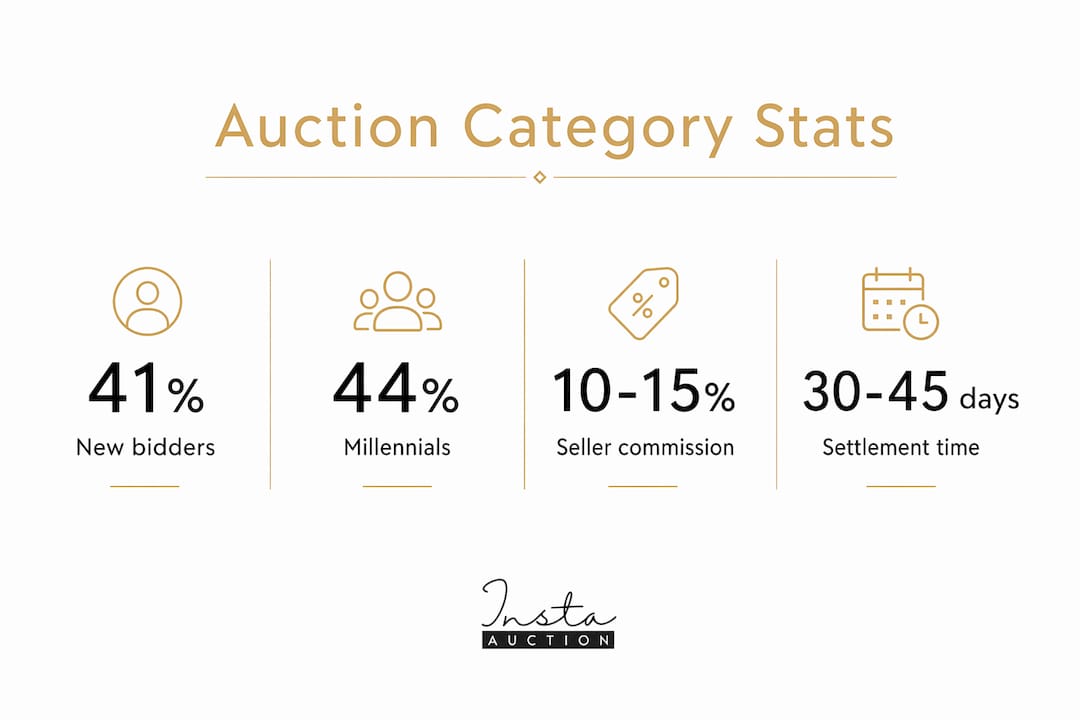
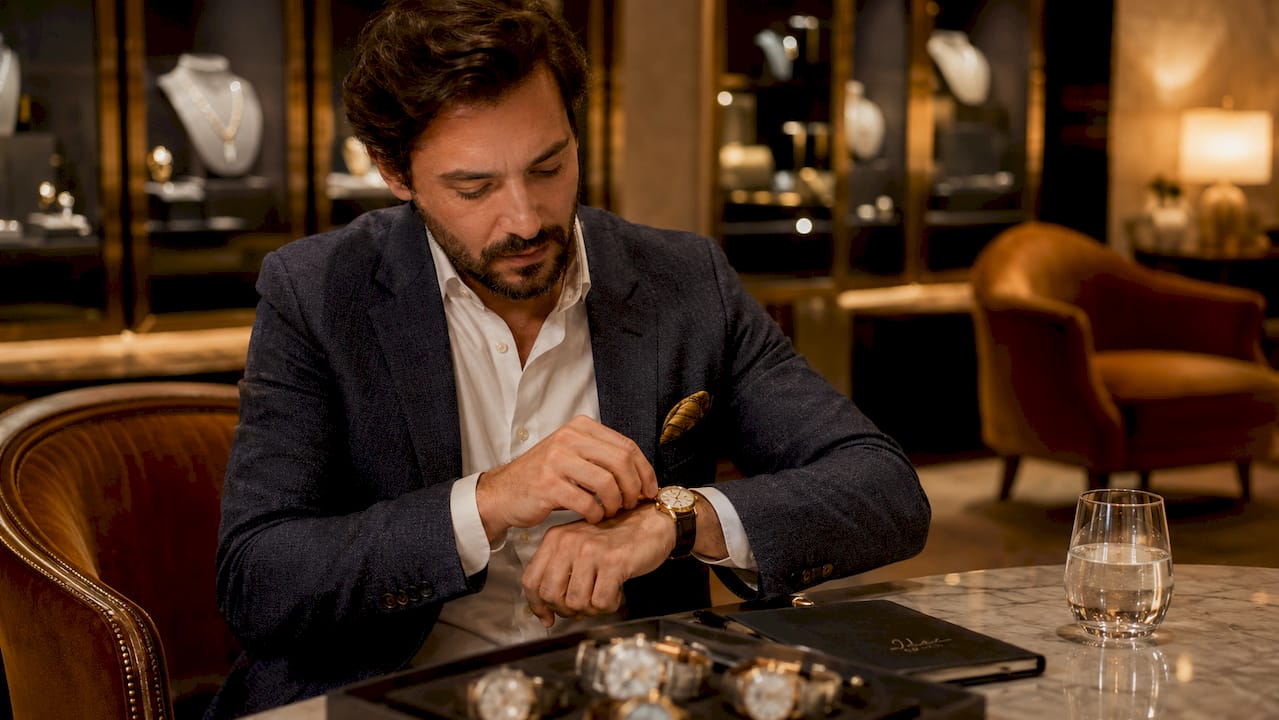
Jewelry and watches are gateway categories in luxury auctions. 41% of new bidders entered through luxury auctions, with watches and jewelry consistently leading that entry point. These categories attract both seasoned collectors and first-time buyers, which creates broad competition and reliable sell-through rates. Sellers benefit from a large, active buyer base that spans multiple generations.
Vintage automobiles
Vintage automobiles demand provenance above all else. A documented service history, original factory specifications, and a clear ownership record can double the final hammer price compared to an identical car without paperwork. No-reserve structures work particularly well in this category because they signal seller confidence and attract more registered bidders from the start.
Wine and spirits
Wine and spirits represent one of the fastest-growing specialist categories. 44% of auction participants in 2025 were Millennials and Gen Z, and this demographic drives strong demand in wine sales. That generational shift means sellers with well-stored, documented cellars now have access to a buyer pool that did not exist a decade ago.
Rare collectibles
Rare collectibles, including coins, manuscripts, sports memorabilia, and vintage toys, require the deepest category expertise. Buyers in these niches are often more knowledgeable than generalist auctioneers. Sellers who work with a specialist who understands the specific sub-market, such as pre-1900 American coins versus modern bullion, consistently achieve better results than those who list with a general house.
| Category | Primary seller advantage | Key buyer driver |
|---|---|---|
| Jewelry and watches | Broad buyer base, high sell-through rate | Wearability and investment value |
| Vintage automobiles | Provenance drives significant price premiums | Rarity and documented history |
| Wine and spirits | Growing younger buyer demographic | Cultural engagement and investment |
| Rare collectibles | Niche expertise maximizes realized value | Scarcity and category passion |
How do auction specialists curate and market luxury categories?
Auction specialists are the operational core of any specialist sale. Their work goes far beyond accepting consignments. Specialists provide authentication, marketing strategies, and scholarly research to optimize buyer engagement and final sale prices. A specialist who focuses on 20th-century French jewelry, for example, knows which hallmarks matter, which designers command premiums, and which collector communities to target.
The curation process follows a defined sequence:
- Provenance research: The specialist traces ownership history, exhibition records, and publication appearances to build a documented narrative for the item.
- Condition assessment: A formal written condition report establishes the item’s state and sets realistic buyer expectations, reducing post-sale disputes.
- Catalog production: Scholarly catalog entries with high-resolution photography present the item in its best context and serve as permanent reference documents for future buyers.
- Targeted outreach: The specialist contacts known collectors, sends category-specific previews, and places the item in front of the right audience before the sale opens.
- Buyer education: Pre-sale events, private viewings, and moderated panels give potential bidders the context they need to bid with confidence.
Personalized marketing beyond standard listings maintains high engagement in luxury categories. A private preview for twenty serious collectors often produces more competitive bidding than a public open house attended by hundreds of casual visitors.
Pro Tip: Ask your specialist to include your item in a pre-sale editorial feature or collector newsletter. Items with a written narrative attached to them consistently generate more pre-sale inquiries, and pre-sale inquiries are a reliable predictor of final price.
Authentication and provenance strategies amplify the symbolic and emotional resonance of a luxury item beyond its material value. Buyers are not just purchasing an object. They are purchasing a story, and the specialist’s job is to tell that story compellingly.
What are the commission structures and timelines for specialist sellers?
Commission structures are the most misunderstood part of the specialist auction process. Seller commissions at major auction houses typically range from 10–15% of the hammer price. That figure is higher than standard online marketplace fees, which average around 13%, but the comparison is not direct.
Auction commissions bundle authentication, professional photography, catalog production, targeted marketing, and buyer vetting into a single fee. A marketplace listing fee covers none of those services. For a luxury item where presentation and buyer confidence directly affect the final price, the bundled model often produces a higher net return even after the higher commission.
Settlement timelines add another layer of planning. Settlement periods generally last 30–45 days after the sale closes at major houses. Sellers who need immediate liquidity should factor this into their decision. Some specialist platforms offer faster settlement, which matters when the item is part of an estate or a time-sensitive financial situation.
Understanding auction house commission structures before you sign a consignment agreement prevents surprises. Ask specifically about buyer’s premiums, insurance fees, photography charges, and any minimum commission thresholds that apply to lower-value lots.
| Fee element | Typical range | What it covers |
|---|---|---|
| Seller commission | 10–15% of hammer price | Core auction house fee |
| Photography and catalog | Often bundled or $50–$200 per lot | Professional images and written entry |
| Insurance | 1–2% of estimated value | Coverage during storage and sale |
| Settlement period | 30–45 days post-sale | Time from hammer to payment |
Key Takeaways
Specialist auction categories are the single most effective way for luxury sellers to reach qualified buyers, generate competitive bidding, and achieve prices that reflect true market value.
| Point | Details |
|---|---|
| Category placement drives price | Placing items in the correct specialist category attracts motivated buyers and raises closing prices. |
| Authentication is non-negotiable | Provenance verification and condition reports build buyer confidence and protect seller interests. |
| Specialists do more than sell | They research, curate, market, and educate buyers, all of which directly affect your final return. |
| Commissions bundle real value | The 10–15% seller fee covers services that a marketplace listing fee does not include. |
| Younger buyers are active now | Millennials and Gen Z represent 44% of auction participants, expanding the buyer pool for luxury categories. |
Why I think most luxury sellers underestimate their specialist options
The most common mistake I see luxury sellers make is treating the auction channel as a last resort rather than a first choice. Sellers often try private sales, consignment shops, and online marketplaces before considering a specialist auction, and by the time they arrive at the auction house, the item has been handled, photographed poorly, and circulated without a proper provenance narrative. That history works against you.
The second mistake is choosing a general auction over a specialist sale to save time. A general auction may close faster, but the buyer pool is diluted. A vintage Hermès Kelly bag placed in a general estate sale competes for attention with furniture and silverware. The same bag in a dedicated fashion and accessories sale sits in front of collectors who have registered specifically to bid on it.
Timing matters more than most sellers realize. Specialist sales follow seasonal calendars, and the best results come from aligning your consignment with peak buyer activity in your category. Wine sells better in the fall. Jewelry performs strongly before the holiday season. Vintage cars peak in spring and early summer. Working with a specialist who understands these cycles is not optional if you want the best outcome.
The sellers who consistently achieve the highest prices are the ones who treat the auction process as a collaboration. They provide complete documentation, respond quickly to specialist requests, and trust the curation process. The sellers who fight the process, insisting on reserve prices that ignore market data or refusing professional photography, are the ones who watch their items pass unsold.
Platforms like Insta-auction, which pair sellers with trained appraisers and market items across targeted digital channels, reflect where the specialist model is heading. The combination of category expertise and digital reach is more powerful than either element alone.
— Admin
Insta-auction’s specialist category services for luxury sellers
Insta-auction pairs luxury sellers with trained appraisers who specialize in specific categories, from pre-loved designer goods to rare collectibles, and markets each item across targeted digital channels to reach the right buyers.
The platform’s consignment process is built for sellers who want category expertise without the complexity of traditional auction houses. Every item receives a professional appraisal, a curated listing, and active promotion to a verified buyer community. Insta-auction also donates a portion of every sale to selected charities, so your consignment creates value beyond the final hammer price. Start with the consignment auction guide to prepare your items, or browse luxury goods auctions to see how specialist categories perform on the platform.
FAQ
What are specialist auction categories?
Specialist auction categories are sales organized around a single item type, such as jewelry, vintage cars, or wine, where every bidder shares the same collecting focus. This concentration of demand increases competition and typically raises final prices compared to general mixed-lot auctions.
How do specialist categories help sellers get higher prices?
Market segmentation in auctions creates market thickness by directing category-specific buyers to items they already value. More motivated bidders competing for the same lot produces stronger final prices than a general audience with mixed interests.
What commission should I expect as a specialist auction seller?
Seller commissions at major auction houses typically run 10–15% of the hammer price, with settlement arriving 30–45 days after the sale. That fee bundles authentication, marketing, and catalog production, services a standard marketplace listing does not include.
Which luxury categories attract the most active buyers?
Jewelry, watches, vintage automobiles, and wine are the most active specialist categories. 44% of auction participants in 2025 were Millennials and Gen Z, with luxury categories driving the majority of new bidder registrations.
How do I choose the right specialist category for my item?
Review the types of items best suited for auction to match your item to the category where its specific buyer community is most active. A specialist appraisal will confirm the correct category and identify provenance details that affect your reserve price.