

Hire a qualified watch buyer or bidding representative before you place a single bid on a pre-owned luxury timepiece. That one step reduces the risk of overpaying, sidesteps authentication pitfalls, and puts insured shipping logistics in someone else’s hands. Your immediate next step: contact Insta-auction for a consult, or pull together your watch’s brand, reference number, photos, and any box and papers before your first call.
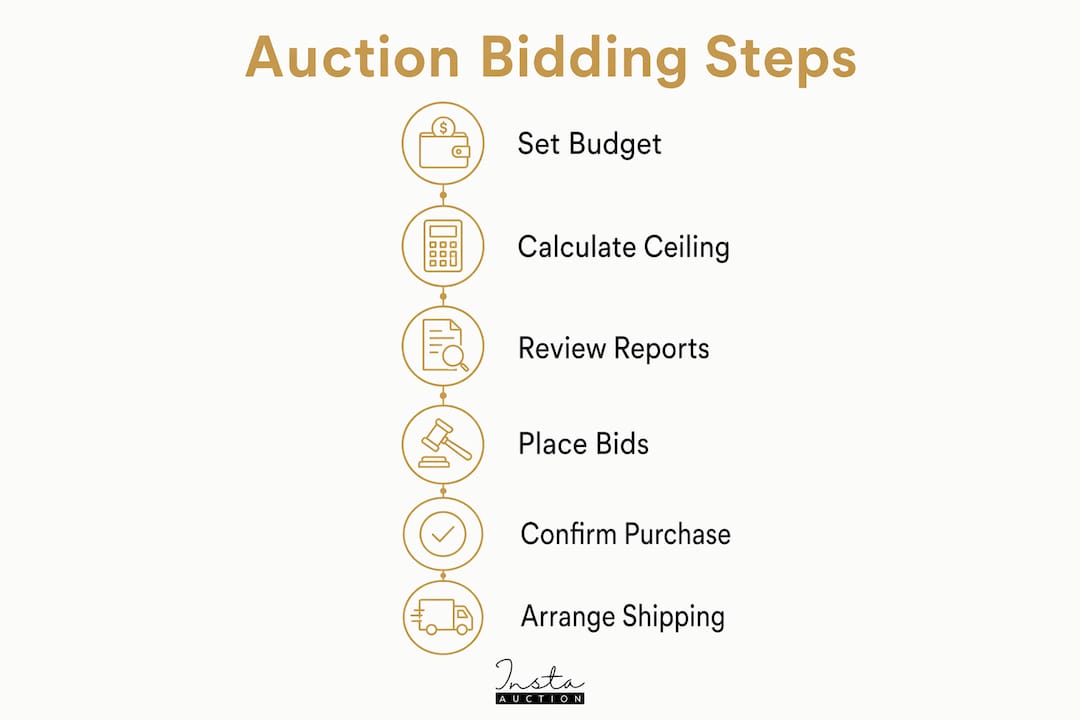
Table of Contents
- What does a professional watch buyer actually do?
- How do you pick a trustworthy watch buyer?
- What fees and timeline should you expect?
- When should you use an auction versus a dealer or grey market?
- Tactical bidding advice that actually works
- Why Insta-auction works well as your bidding representative
- Key Takeaways
- The discipline that separates good buyers from expensive ones
- Ready to work with Insta-auction on your next watch purchase?
- Useful sources
- FAQ
What does a professional watch buyer actually do?
A buyer’s representative handles the full chain from intake to delivery, so you never have to navigate auction mechanics alone. Here is the typical workflow:
- Intake and brief. You provide brand, reference, condition notes, box and papers status, and your all-in budget ceiling.
- Appraisal and comparables. The representative researches recent realized prices and pulls condition context from published catalog data.
- Condition report review. They request full condition reports and high-resolution images from the auction house, since condition language is not an industry-standard grade and requires specialist interpretation.
- Registration and bidding. The representative registers, sets a proxy or telephone bid, and executes on sale day.
- Post-sale follow-through. Invoice review, buyer’s premium reconciliation, payment, and insured shipping to your door.
Deliverables you should receive: a written condition report, a provenance summary, an itemized invoice showing hammer price plus buyer’s premium, and a tracked insured shipping label. One thing you still decide: your maximum hammer price. No representative should move that ceiling without your explicit approval.
Original box and papers typically increase a modern watch’s auction value by roughly 10–30%, so confirming documentation status during intake directly affects your budget math. For estate purchases, Insta-auction’s estate valuation guide covers provenance research in more depth.

How do you pick a trustworthy watch buyer?
Start with credentials. A credible representative holds watchmaker or appraiser qualifications and can show documented realized prices from comparable sales, not just a list of houses they have worked with.
Checklist for first contact:
- Proof of insurance covering the watch in transit and while in their custody
- Escrow or payment-handling process in writing
- Buyer’s premium disclosure before any engagement
- A sample condition report from a recent comparable lot
- At least one buyer reference from a sale in a similar price range
Questions to ask on an initial call:
- Which specific brands and references have you represented buyers on in the last 12 months?
- How do you calculate the hammer ceiling from an all-in budget?
- What is your process when online latency threatens a bid sequence?
Red flags: opaque or bundled fees, refusal to share past sale results, no sample condition report, and any guarantee of a specific outcome. Guarantees in auction contexts are a fiction.
Pro Tip: Ask for a recent lot report and one buyer reference from a comparable sale. Then ask the house directly for their authentication process in writing. A representative who hesitates on either request is telling you something important.
Excessive polishing is another signal worth checking. Improper polishing permanently removes metal and softens edges, reducing collector value on vintage pieces. A good representative flags this in the condition report rather than glossing over it.
What fees and timeline should you expect?
The most expensive mistake buyers make is treating the hammer price as the final cost. Buyer’s premium at major houses typically runs 25–29% on watches in the standard tier, stepping down at higher hammer thresholds. Add representative commission, any online platform surcharge, shipping, insurance, and applicable state sales tax, and the all-in number can run 30–35% above hammer.
Hammer ceiling formula: Divide your all-in budget by (1 + combined premium rate). Example: a $65,000 total budget at a 26% combined rate yields a hammer ceiling of roughly $51,500. Write that number down before the sale opens.
| Fee component | Typical range | Notes |
|---|---|---|
| Buyer’s premium | 25–29% of hammer | Steps down at higher thresholds; verify per house |
| Representative commission | Varies by agreement | Confirm in writing before engagement |
| Online platform surcharge | Varies | Some houses add a fee for online-only bidders |
| Shipping and insurance | Varies by value/distance | Insured, tracked shipment required |
| State sales tax | Varies by U.S. state | Applies in most states; confirm with your representative |
Typical timeline:
- Catalog published: 4–8 weeks before sale day
- Condition report and image request: 1–3 days after catalog release
- Registration deadline: usually 24–48 hours before sale
- Auction day to invoice: same day or next business day
- Payment window: typically 5–7 business days post-sale
- Insured delivery: varies by carrier and distance
When should you use an auction versus a dealer or grey market?
Auctions are the right channel for discontinued, rare, or well-provenanced references. The grey market serves current-production models better, especially when you need a warranty or fast delivery.
- Vintage or discontinued reference with original papers → auction. Price discovery is public, provenance is documented, and specialist platforms attract the knowledgeable buyers who pay full collector premiums.
- Limited production or historically significant piece → auction. Competitive bidding and published results add documented value that private sales cannot replicate.
- Current-production model where an authorized dealer warranty matters → grey market or dealer. Speed and warranty coverage outweigh the price-discovery benefit.
- Immediate delivery required → dealer or grey market. Auction timelines rarely close in under three weeks from catalog to delivery.
Consignment through an auction platform can deliver higher realized prices than an outright sale when the reference has strong market appeal and time is available. For a quick comparison of when auctions beat retail pricing, Insta-auction’s guide on auction prices vs. retail lays out the logic clearly.
Tactical bidding advice that actually works
Set your all-in limit before the catalog opens, compute the hammer ceiling, and write it down. That number does not move on sale day, regardless of how the room feels.
Online bidding typically lags live or telephone bidding by roughly 0.5–1 bid increment in fast sequences. A professional representative mitigates this with telephone backup registration and pre-set absentee bids, so the latency gap never costs you a lot.
Simple bidding plan:
- Choose 3–5 priority lots from the catalog.
- Build a comparables spreadsheet using recent realized prices.
- Set a hammer ceiling for each lot (median comparable plus a small contingency).
- Register at least 48 hours before sale day.
- On sale day, follow only your priority lots. Ignore everything else.
After the sale: pay within the house’s stated window, confirm insured shipping details immediately, and schedule a watchmaker inspection before wearing the piece. For deeper tactics, Insta-auction’s guide on winning online auctions covers lot selection and bid sequencing in detail.
Pro Tip: Set up auction alerts for your target references well before catalog release. Early notification gives you time to pull comparables and set a disciplined ceiling before the bidding psychology kicks in.
Why Insta-auction works well as your bidding representative
Insta-auction specializes in pre-owned luxury goods, estate items, and collectibles through secure online bidding with nationwide shipping. Trained appraisers handle condition assessment and provenance research, fees are disclosed upfront, and archived sale results are available so you can verify the track record before committing.
What you get at kickoff: a sample condition report, an estimated timeline, a full fee disclosure, and insured shipping instructions. Insta-auction also donates a portion of every sale to selected charities, which is a meaningful trust signal for buyers who want their purchase to carry some social weight.
For buyers managing estate watches, the estate valuation resource covers appraisal methodology for inherited collections. Buyers who want to see what auction-ready luxury items look like before submitting can browse auction-ready examples to calibrate expectations.
Key Takeaways
A qualified watch buyer with transparent fees, documented results, and a written authentication process is the single most effective protection against overpaying at auction.
| Point | Details |
|---|---|
| Calculate hammer ceiling first | Divide your all-in budget by 1 plus the combined premium rate before any sale opens. |
| Require written documentation | Ask for a condition report, provenance summary, and itemized fee disclosure before engaging any representative. |
| Verify credentials and results | Confirm appraiser qualifications and request realized prices from comparable past sales. |
| Match channel to reference | Use auctions for rare or discontinued pieces; use dealers or grey market for current-production models needing warranties. |
| Insta-auction as your representative | Insta-auction provides trained appraisers, transparent fees, archived results, and insured nationwide shipping for pre-owned luxury watch buyers. |
The discipline that separates good buyers from expensive ones
Most auction losses are not caused by bad luck. They come from a buyer who skipped the hammer ceiling calculation, got caught in a bidding sequence, and paid 15% more than their research supported. The math is simple; the discipline is the hard part.
What experienced buyers understand is that the condition report is not a formality. It is the document that tells you whether the watch in the catalog matches the watch you think you are buying. Requesting high-resolution images and a specialist’s written commentary before bidding is not caution; it is the minimum standard.
The grey market versus auction question also gets misread constantly. Buyers chase auctions for current-production references because the setting feels prestigious, then pay a premium over grey market prices for a watch they could have bought with a warranty in two days. Auctions earn their place for rare, discontinued, or historically significant pieces. For everything else, the channel choice should follow the reference, not the excitement.
Ready to work with Insta-auction on your next watch purchase?
Getting started with Insta-auction takes one short submission. Gather your target watch’s brand, reference number, clear photos, and any box and papers documentation, then submit through the consignment page or contact the team directly for an appraisal consult.

From there, Insta-auction’s appraisers confirm the condition assessment, walk you through the fee structure, set your hammer ceiling together with you, and handle registration, bidding, payment, and insured delivery. No hidden surcharges, no ambiguous condition language, and a portion of every completed sale goes to charity.
Start with the expert auction tips guide to see exactly what preparation looks like, then reach out to the team to schedule your first appraisal consult.
Useful sources
Insta-auction guides:
- How to Win Online Luxury Item Auctions: Expert Tips — bidding tactics and lot selection
- Auction-Ready Luxury Items: Examples for Sellers — what to prepare before consigning
- Estate Asset Valuation for Luxury Collectibles — appraisal methodology for inherited watches
- How Auction Alerts Benefit Active Bidders — tracking upcoming lots before catalog release
Third-party references:
- The Ultimate Guide to Buying Watches at Auction — collector-focused overview of auction mechanics and fee structures
- How to Buy a Watch at Auction: The 2026 Playbook — buyer’s premium tiers, latency risk, and hammer ceiling math
- How to Buy a Luxury Watch at Auction Without Overpaying — condition report interpretation and grey market comparison
FAQ
What does a watch buyer’s representative charge?
Representative fees vary by agreement, but buyers should also budget for the auction house’s buyer’s premium, which typically runs 25–29% of the hammer price at the standard tier. Always request a full written fee disclosure before engaging.
How long does the auction process take from catalog to delivery?
Major houses publish catalogs 4–8 weeks before sale day. From auction close to delivery, expect roughly 1–2 weeks for payment processing and insured shipping, depending on carrier and distance.
When is an auction better than buying from a dealer?
Auctions are the stronger channel for discontinued, rare, or historically significant references where provenance and competitive bidding drive price discovery. For current-production models where a warranty matters, a dealer or grey market source is usually faster and more practical.
How does Insta-auction handle authentication?
Insta-auction uses trained appraisers to assess condition and provenance, provides written condition reports, and discloses fees upfront. Buyers receive an itemized invoice and insured shipping documentation after each completed sale.
What documents should I have ready before contacting a watch buyer?
Bring the brand name, exact reference number, clear photos of the dial, case, and caseback, and any original box, papers, or service history. Complete documentation can add a 10–30% premium to realized value and speeds up the appraisal process.